Learn chart patterns and trading strategies
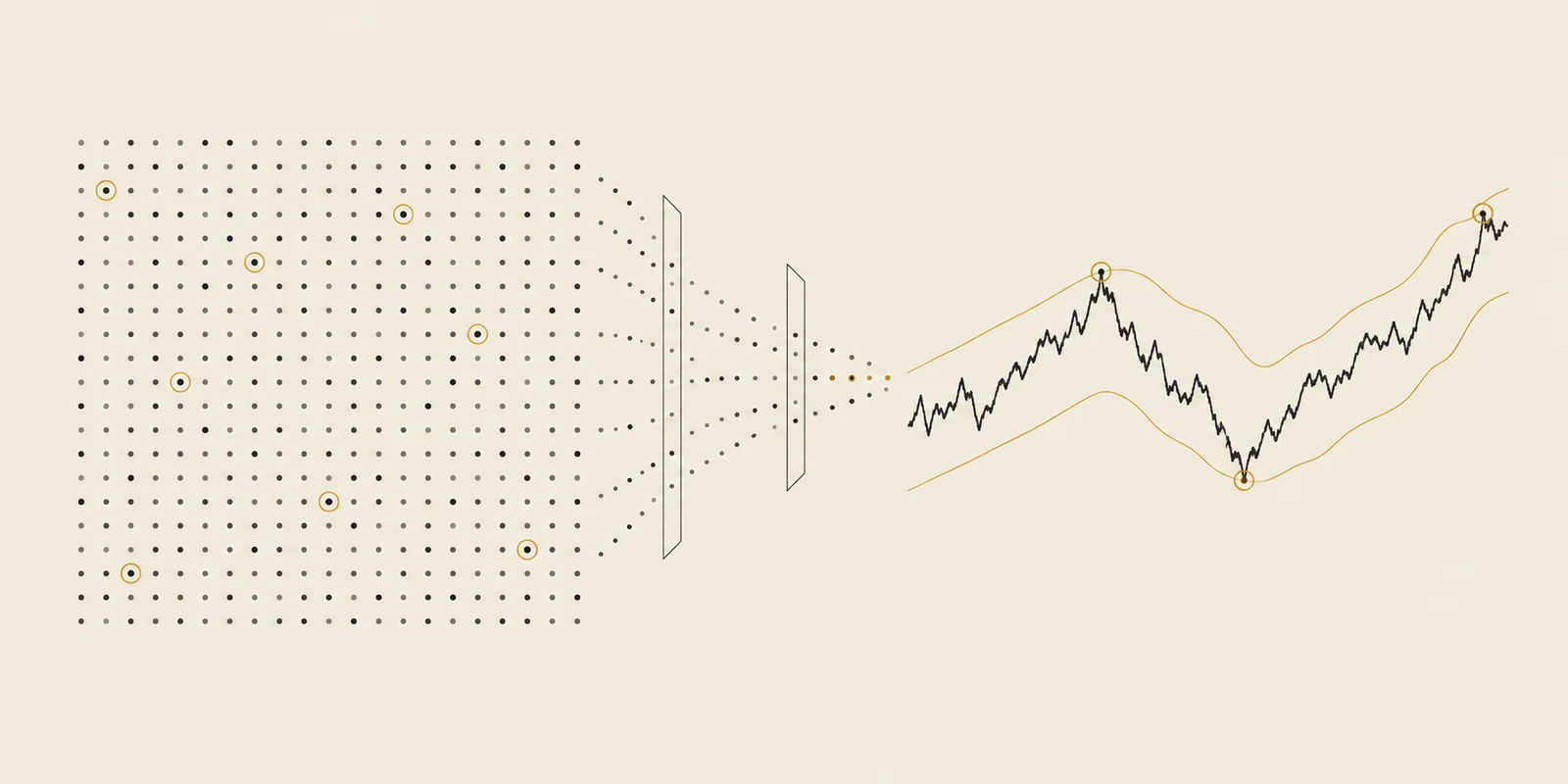
Learn how to recognize patterns, plan a trade and read historical results. TradingPal scans defined setups across 2,600+ symbols.
Original research
Trading questions, tested against historical data and explained in plain English. Read the findings, the methods and the limits.

Original research ·
Does the market change a triangle breakout’s odds?
Upward trades won more often above the market average; downward trades earned more for their risk below it.
Read the study
Original research ·
Does a flagpole make a triangle a better trade?
Requiring a flagpole did not improve win rates or average payoff in either direction in this historical sample.
Read the studyChart pattern guides
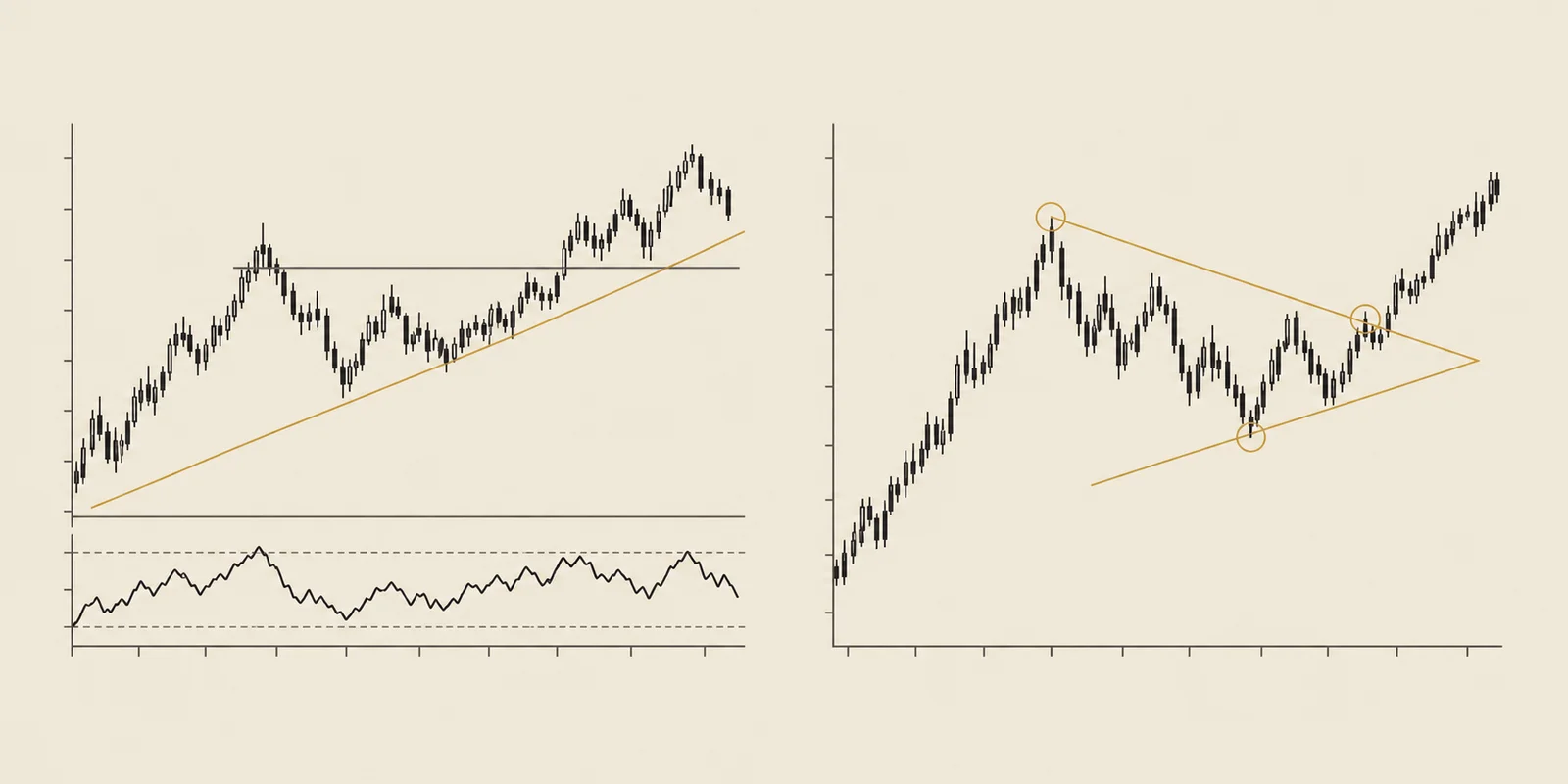
Learn how to spot and trade pennants, triangles, and wedges using tested entry, exit, and target rules.
Counts and win rates use the latest completed nightly artifact.



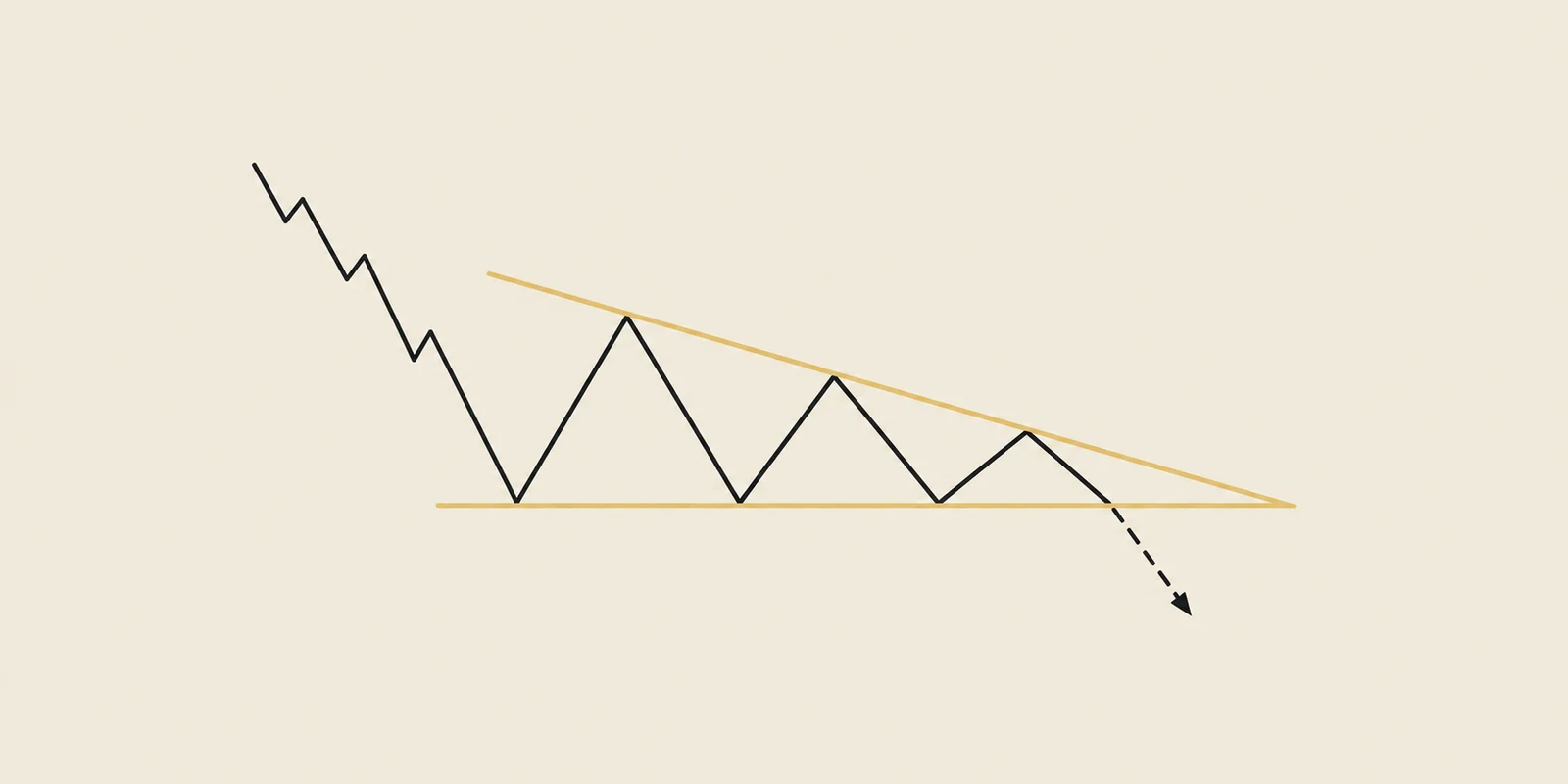
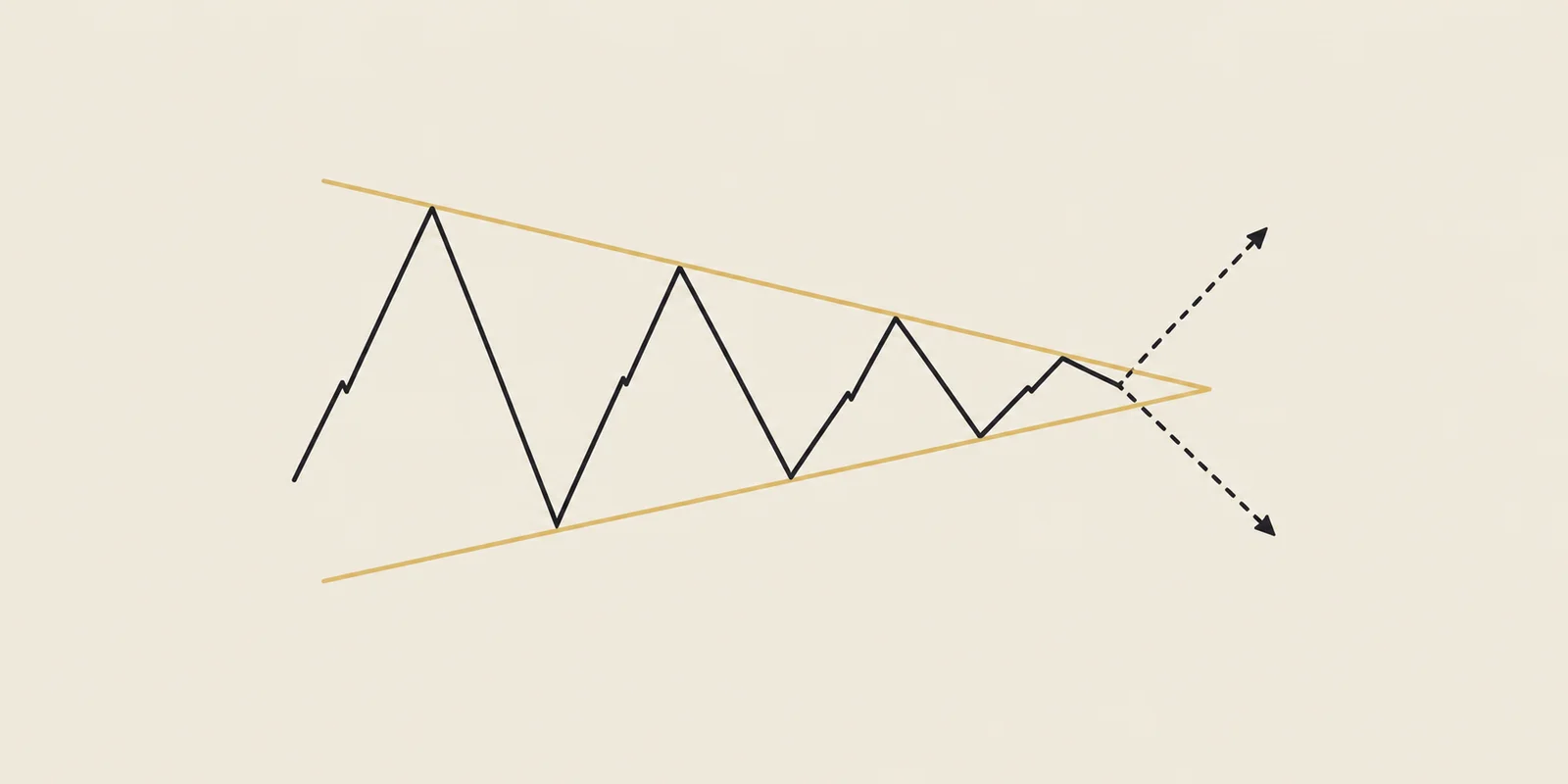


| Pattern | Usual break | Win rate | Avg return | Backtested trades | Fresh (45d) |
|---|---|---|---|---|---|
| Bullish pennant | Up | 54.5% | +3.6% | 6,817 | 86 |
| Bearish pennant | Down | — | — | — | 0 |
| Ascending triangle | Up | 48.9% | +2.6% | 1,753 | 19 |
| Descending triangle | Down | 48.9% | +2.6% | 1,753 | 6 |
| Symmetrical triangle | Either way | 48.9% | +2.6% | 1,753 | 80 |
| Falling wedge | Up | 44.3% | +2.9% | 1,149 | 60 |
| Rising wedge | Down | 52.0% | +1.6% | 390 | 9 |
Trendline, support and resistance trading guides
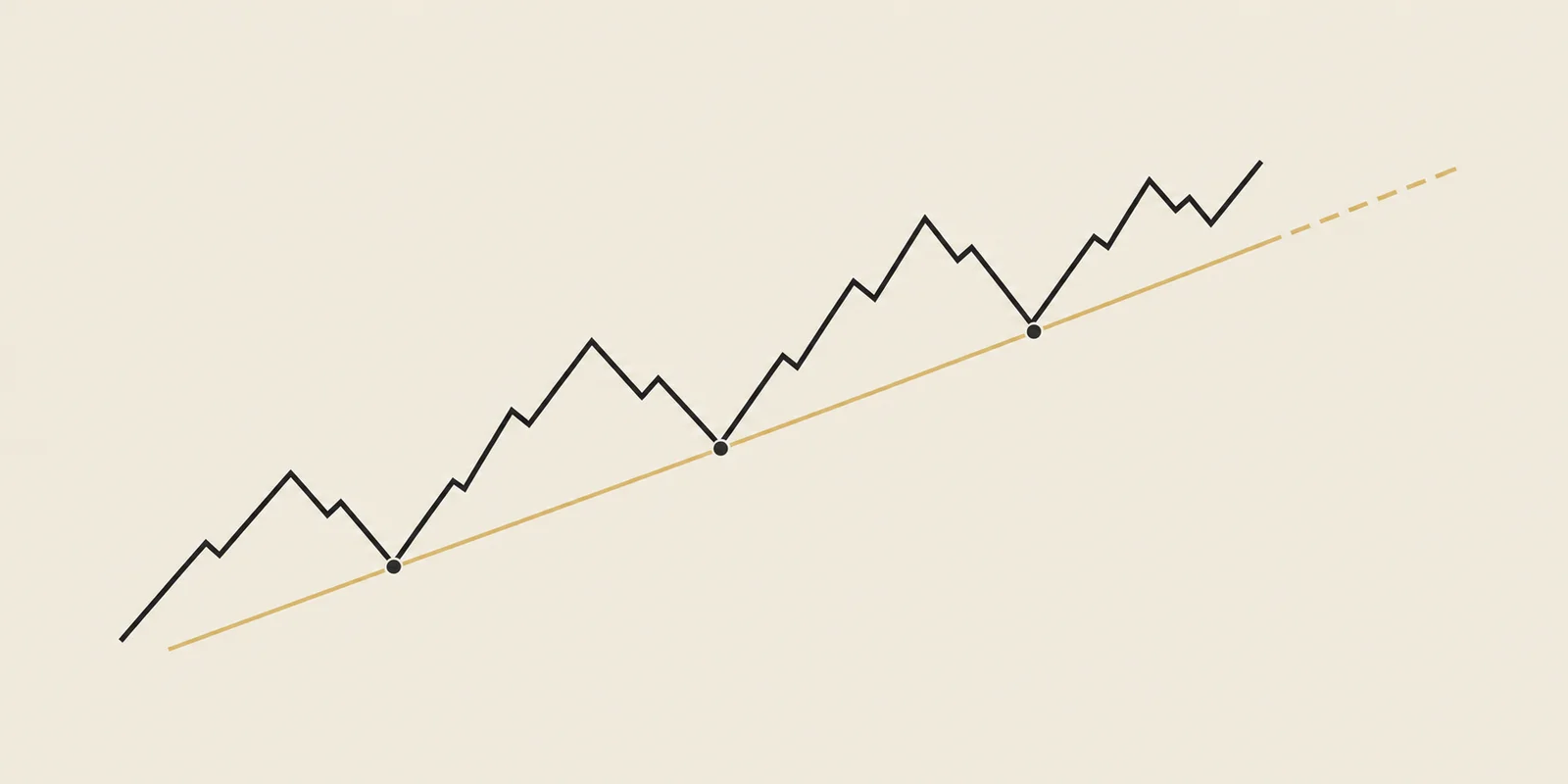
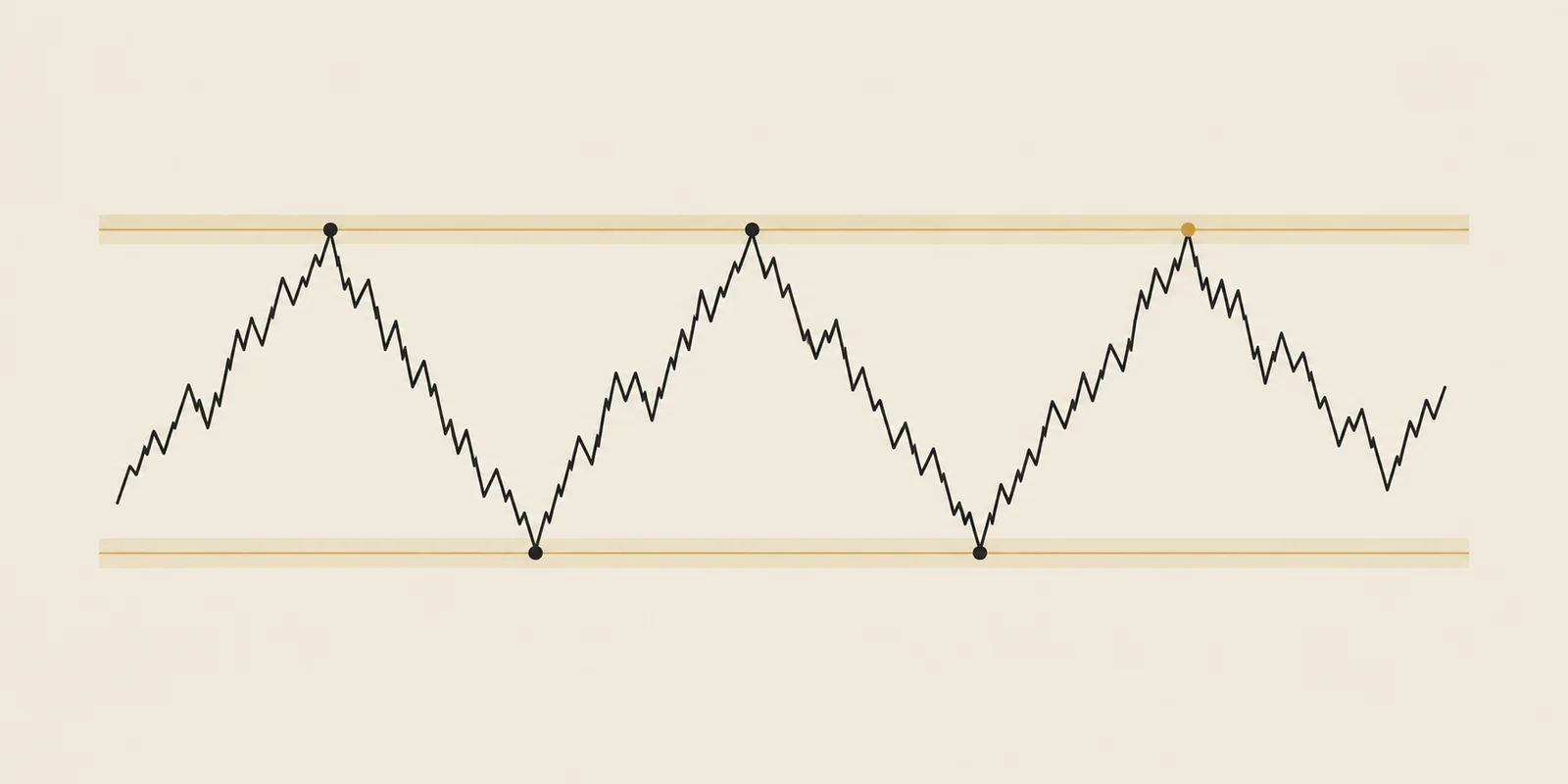
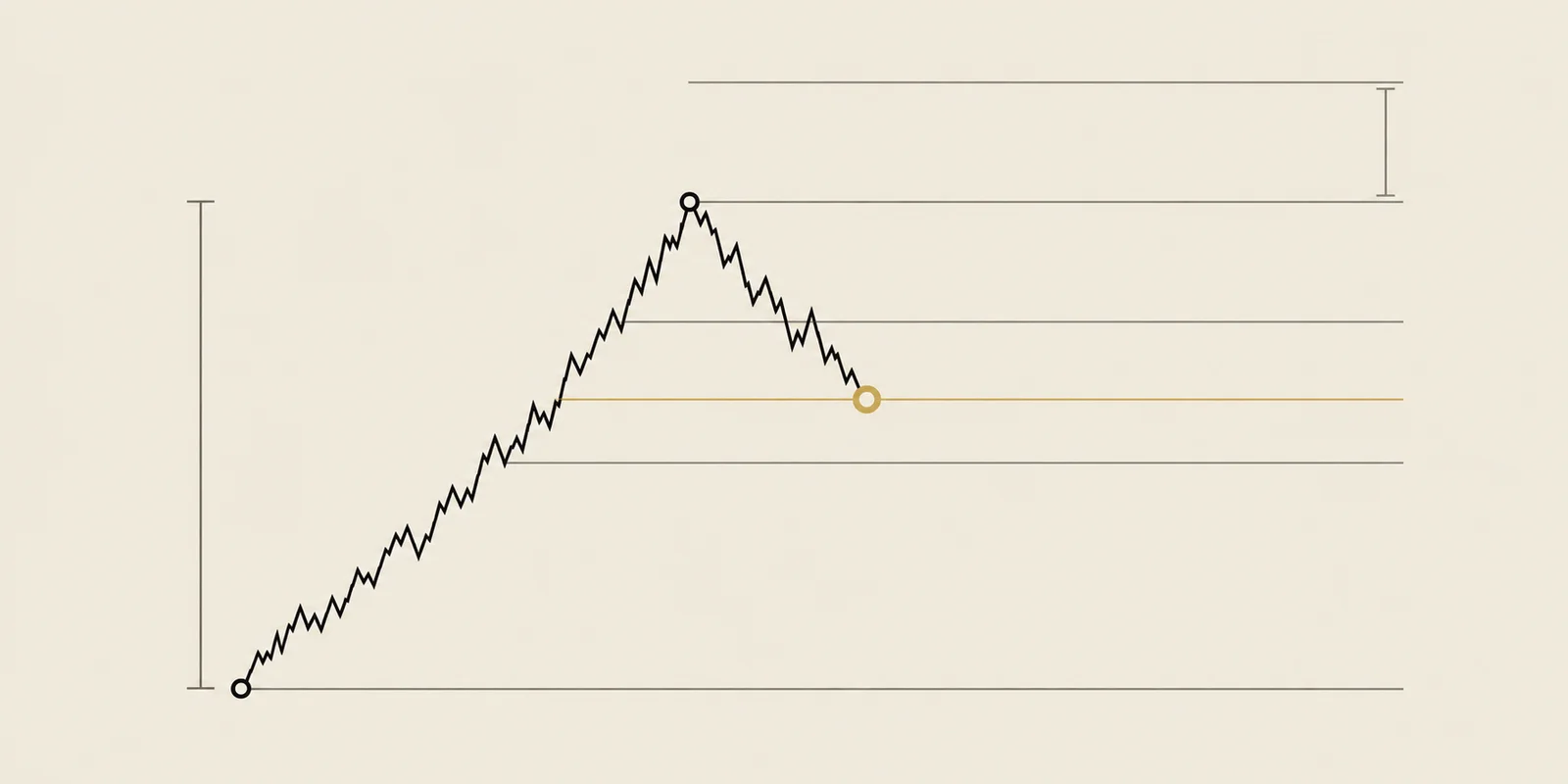
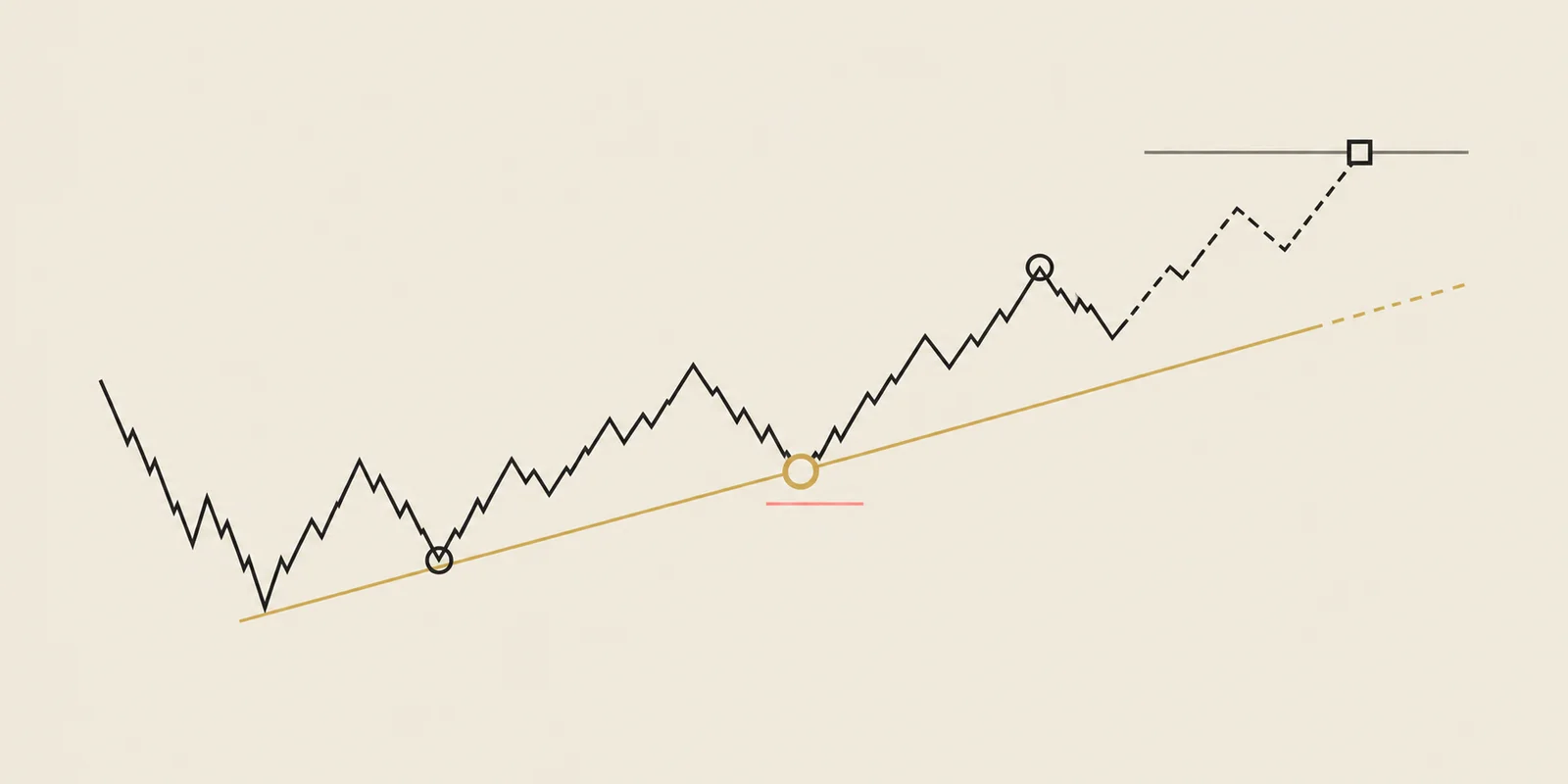
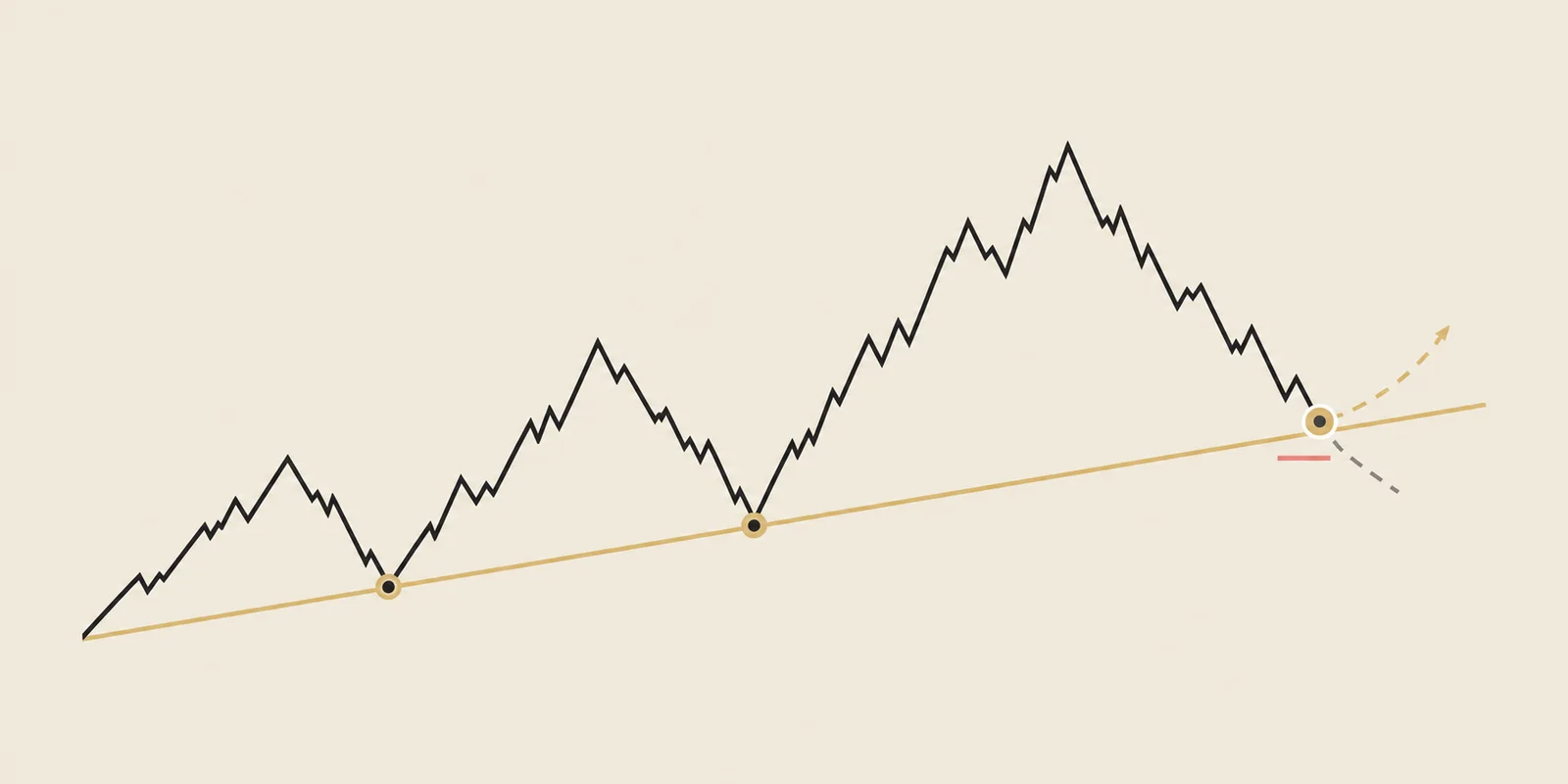
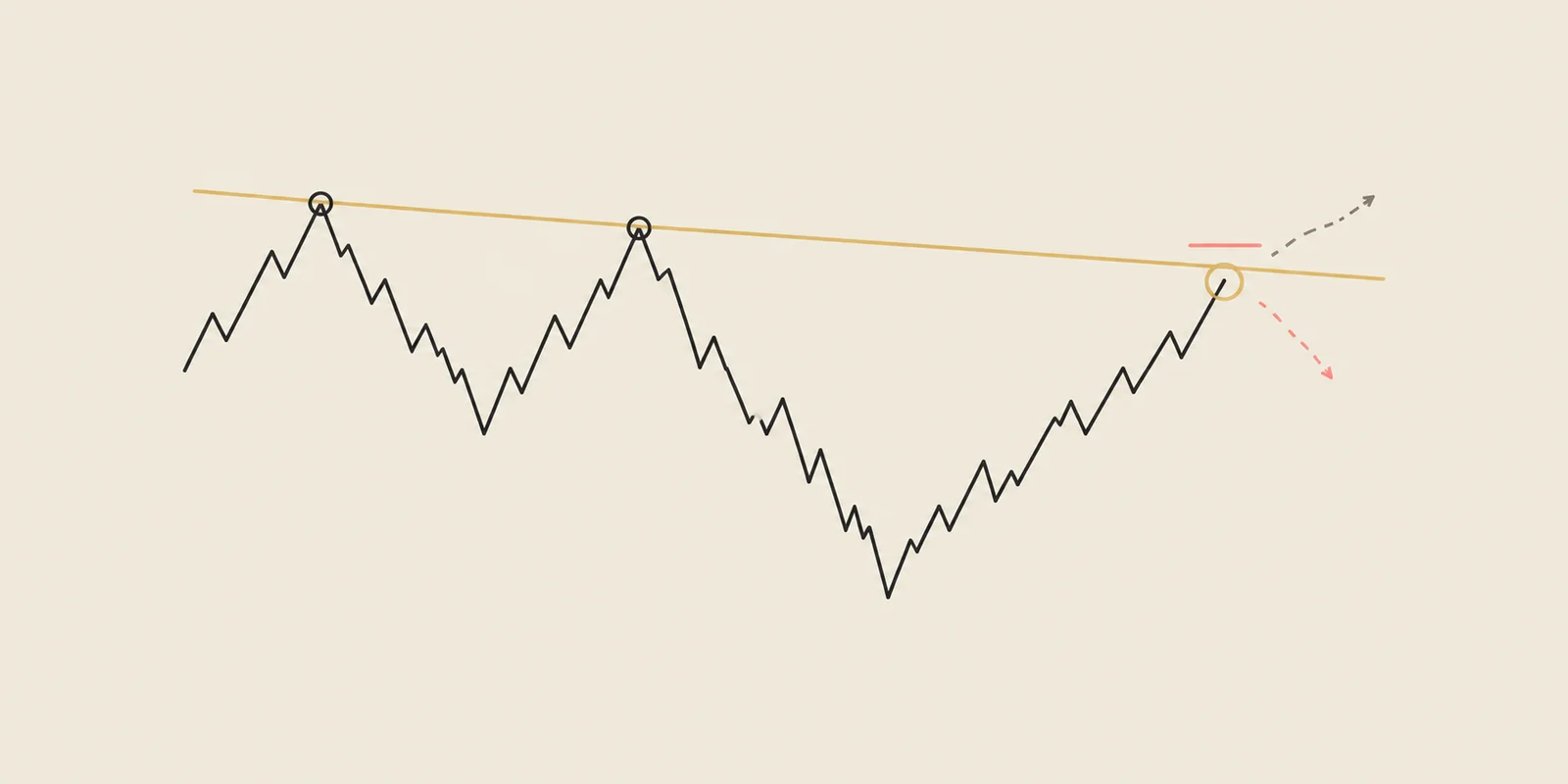
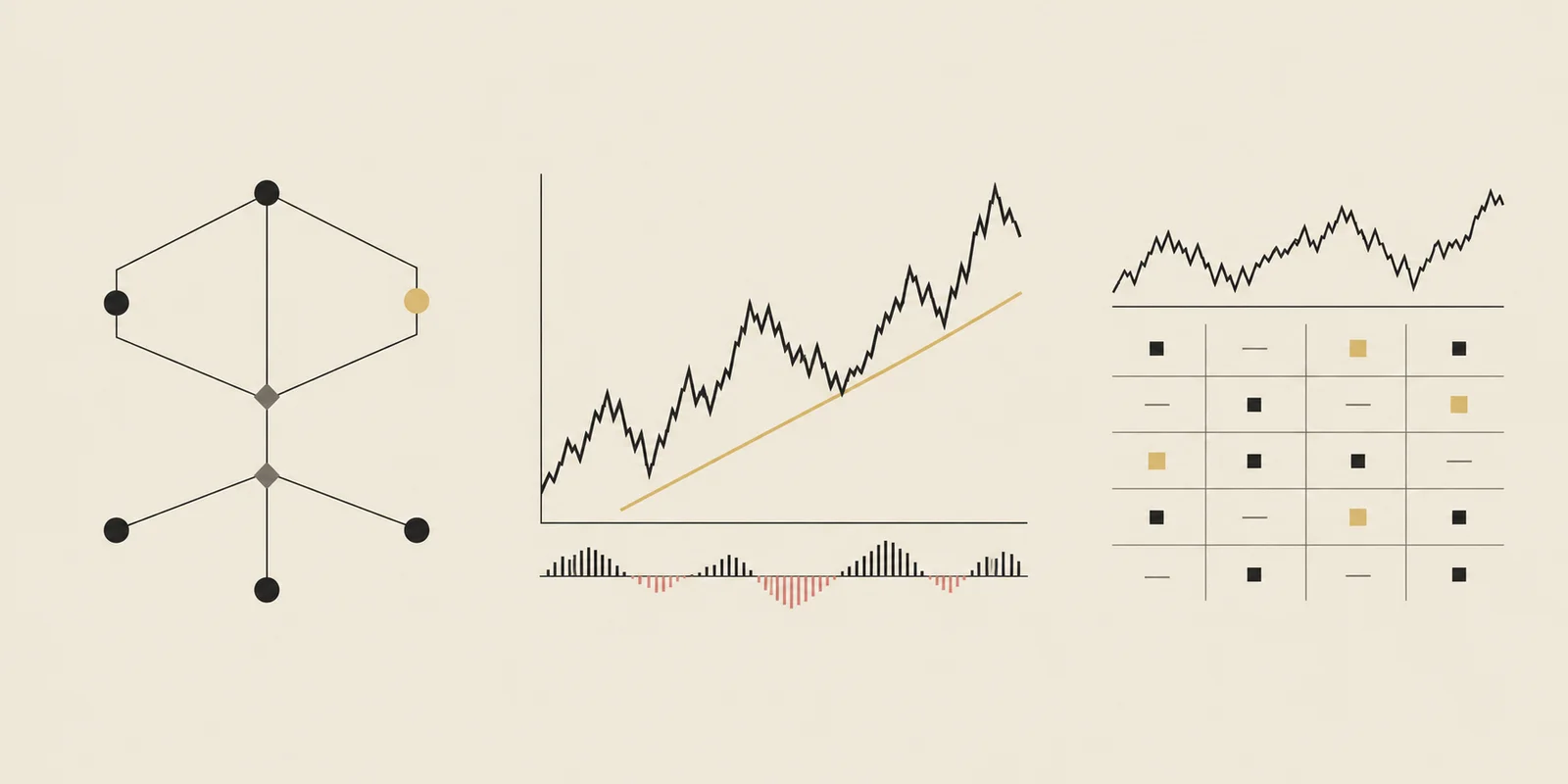
Start with trend line, support and Fibonacci basics, then build a complete strategy with defined entries, stops, exits and historical results.
How TradingPal compares
Compare screening, chart tools, backtesting, free access and pricing across Finviz, TradingView, TrendSpider and TradingPal.
Each comparison follows the work involved in finding candidates and evaluating a trading rule.
Trading by the numbers: win rate, risk/reward & backtesting
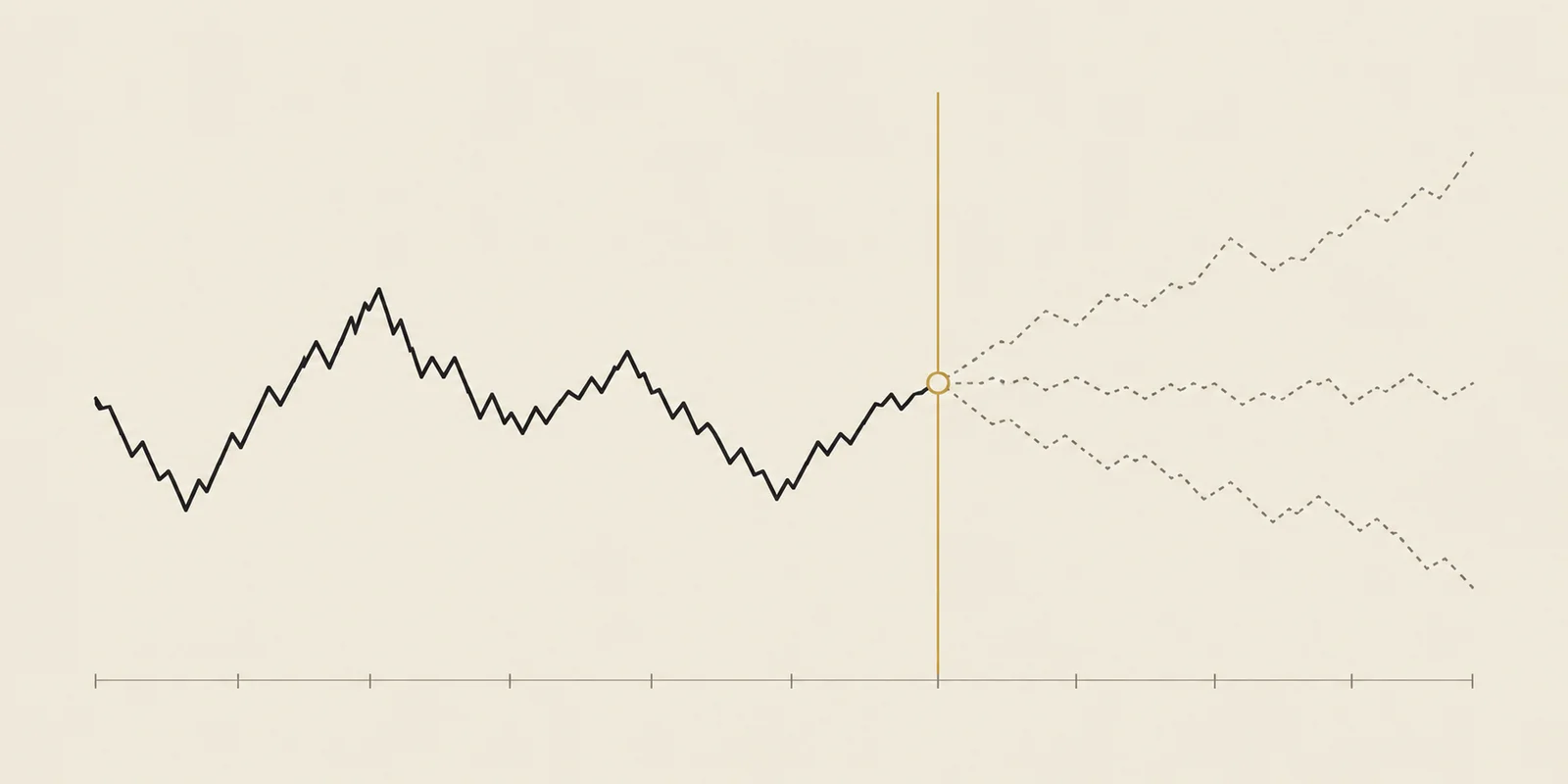
Learn how win rate, profit factor, risk/reward, and average return in R reveal whether a systematic trading strategy works.


All seven patterns on one printable page — the shape, the usual break direction, and the entry / safety-exit / target rules. Free download.
Educational content, not investment advice. Backtest statistics are historical results of a simulated strategy — they describe the past, not the next trade.